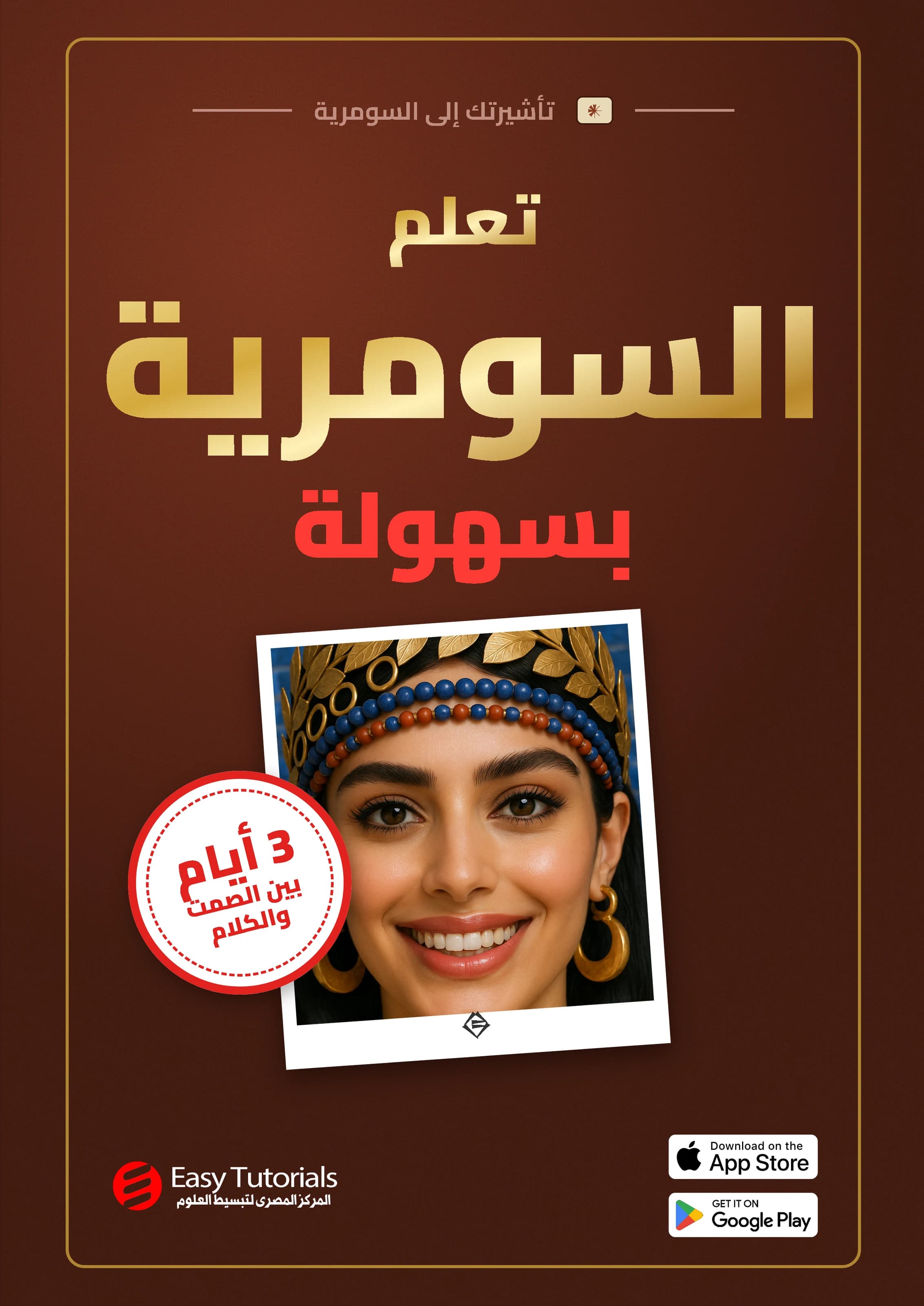
Learn Sumerian Easily
A practical guide to mastering the ancient language
Unlock the secrets of one of humanity's first languages with ease.
What you'll learn
- Basic Sumerian grammar rules
- Essential vocabulary for everyday use
- Reading and writing cuneiform script
- Understanding Sumerian texts and inscriptions
- Cultural context of Sumerian language
- Practical exercises for language retention
About this book
This book is designed for anyone eager to explore the fascinating world of Sumerian, the language of ancient Mesopotamia. Through clear explanations and engaging exercises, readers will gain a solid foundation in Sumerian grammar and vocabulary.
Whether you're a language enthusiast, a history buff, or a student of archaeology, this guide provides the tools you need to understand and appreciate one of the earliest written languages. Dive into the rich cultural heritage of the Sumerians and enhance your knowledge of ancient civilizations.
Who this book is for
- Language enthusiasts
- Students of ancient history
- Archaeology students
- Cultural researchers
- Linguists
Why read this book
- User-friendly approach to learning Sumerian
- In-depth exploration of cultural significance
- Engaging exercises for effective learning
- Clear explanations of complex concepts
About the language
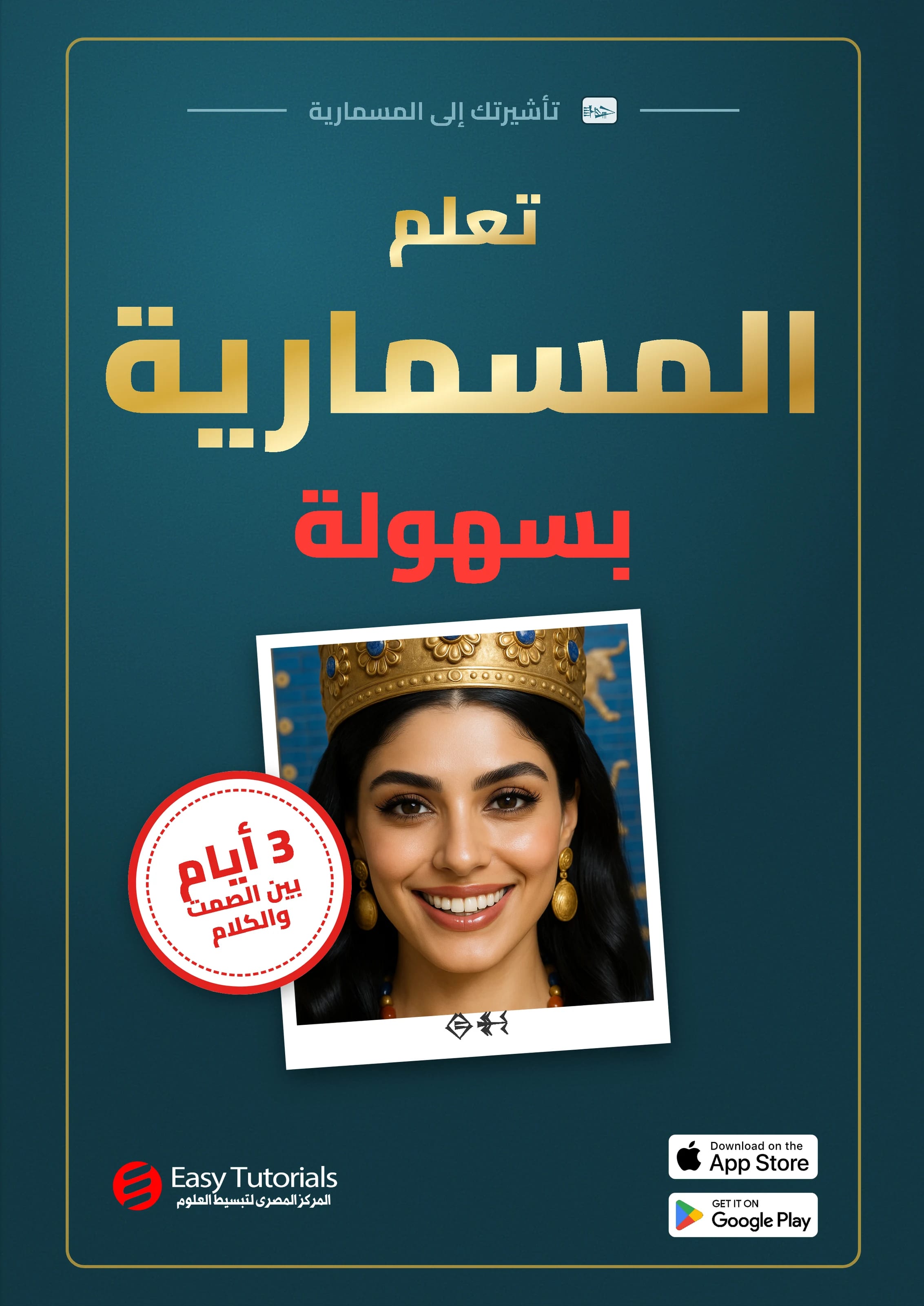
Sumerian is a dead language that was spoken in Sumer, in the south of ancient Iraq. It is a language isolate with no known relatives. People stopped speaking it about 4,000 years ago, but it remained a language of learning and religion for many centuries after that.
Where it is spoken

Iraq
Writing system
Written in cuneiform on clay tablets, from left to right.
Quick facts
- The earliest Sumerian writing dates to about 3200 BC in the city of Uruk, among the oldest writing in the world.
- Sumerian writing began as simple pictures for counting goods, then turned into cuneiform signs.
- The oldest stories about Gilgamesh were written in Sumerian.
- Sumerian stayed a language of religion and scholarship in Mesopotamia after Akkadian replaced it in daily speech.
Why learn it
- Read the oldest written texts in human history from their original tablets.
- Study archaeology and the history of ancient Iraq, or work in museums and excavations.
- Understand the beginnings of writing, accounting and law in human civilization.
Words shared with Arabic
- هيكل (haykal) — Arabic for temple, from Sumerian e-gal, big house or palace, via Akkadian and Aramaic.
- كرسي (kursi) — Arabic for chair, traced by scholars to Sumerian guza via Akkadian and Aramaic.
- دجلة (Dijla) — Arabic name of the Tigris, from Sumerian idigna, then Akkadian idiqlat.
Comes with the book: the «Learn and Speak Easily» app
The book teaches you the word; the app trains you to say it. Open the app with your easyT account and practise every word and phrase in the book out loud.
1,715 words and phrases to practise in this book
Hear the right pronunciation
Every word and phrase in the book, spoken clearly, at normal speed or slowly.
Test yourself on every sign
The app shows a sign and asks for its meaning or its sound; pick the right answer out of 4.
The book's own chapters
Same chapters in the same order, with the word, its pronunciation in Arabic letters, its meaning and the book page.
A quiz after every chapter
Quick questions on what you learned; the app keeps your best score and your progress per chapter.
App details
- Free for everyone who bought the book, printed or digital
- Every language is open to Premium subscribers
- Sign in with your easyT account
- Works offline after a language is opened once
- Checking runs on your phone — your voice is never recorded or stored

 Coming soon to the store