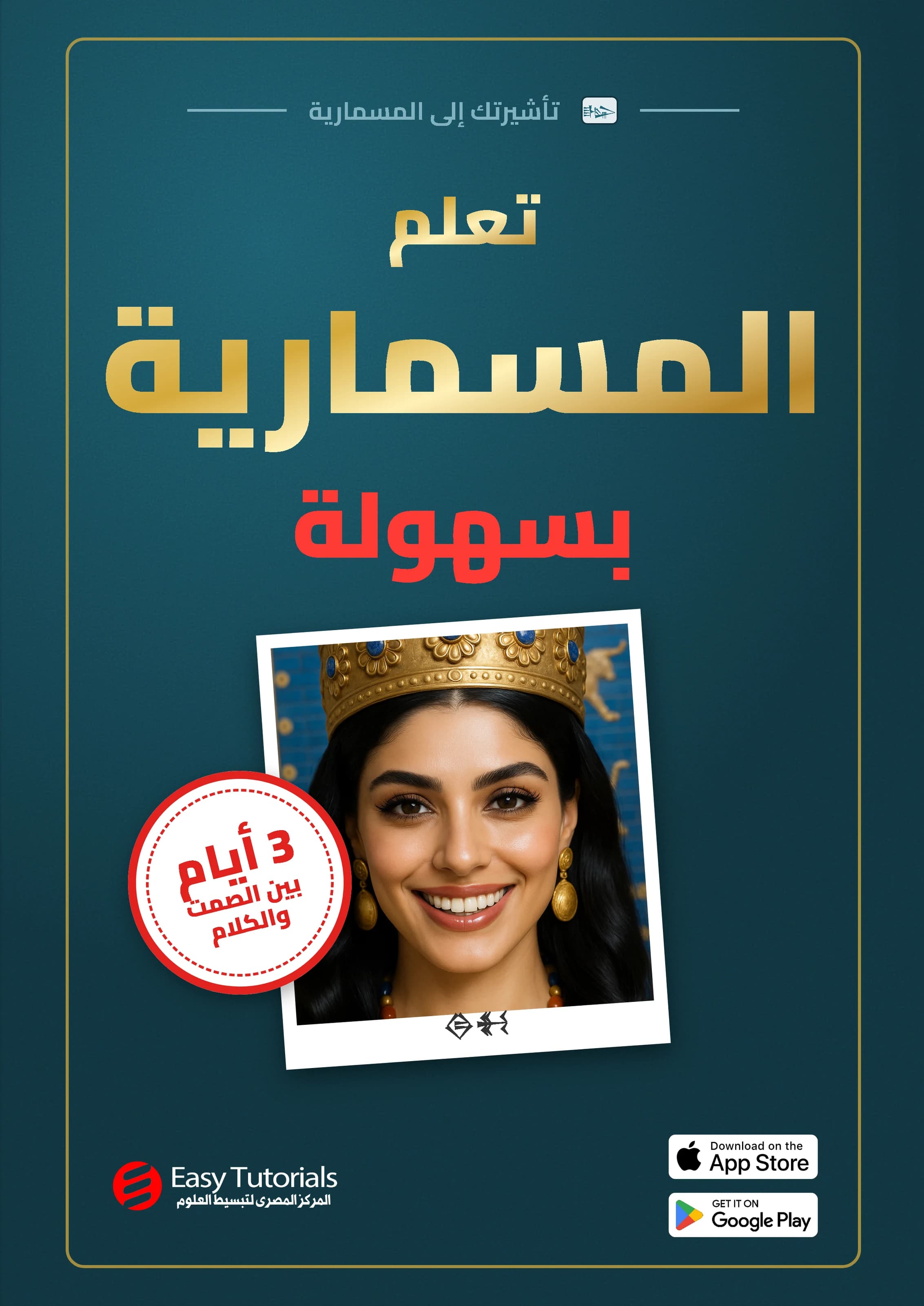
Learn Akkadian Cuneiform Easily
A straightforward guide to mastering ancient scripts
Unlock the secrets of one of the world's oldest writing systems with ease.
What you'll learn
- Understand the history of cuneiform
- Recognize different cuneiform signs
- Translate basic cuneiform texts
- Write simple cuneiform inscriptions
- Explore the cultural context of cuneiform
- Develop skills for further study of ancient languages
About this book
This book provides a comprehensive introduction to cuneiform, the writing system used in ancient Mesopotamia. Designed for beginners, it breaks down the complexities of the script into manageable lessons, making it accessible for anyone interested in history or linguistics.
Through engaging explanations and practical exercises, readers will not only learn how to read and write cuneiform but also gain insights into the culture and civilization that created it. This book is an essential resource for students, educators, and enthusiasts alike, fostering a deeper appreciation for ancient languages and their significance in our world today.
Who this book is for
- Students of ancient history
- Linguistics enthusiasts
- Educators in language studies
- Archaeology students
- General readers interested in ancient cultures
Why read this book
- User-friendly approach for beginners
- Comprehensive explanations and exercises
- Rich cultural insights alongside language learning
- Suitable for self-study or classroom use
About the language
Akkadian is a dead Semitic language, from the same family as Arabic. It was the language of ancient Mesopotamia in Iraq, in its Babylonian and Assyrian dialects. It is the oldest written Semitic language known, and no one speaks it today.
Where it is spoken

Iraq, Syria
Writing system
Written in cuneiform on clay tablets, from left to right.
Quick facts
- The Akkadians borrowed cuneiform from the Sumerians and used it to write their Semitic language.
- The famous Code of Hammurabi is written in Akkadian.
- Akkadian was the language of letters between kings of the ancient Near East, including the Amarna letters found in Egypt.
- Aramaic gradually replaced it in daily speech during the first millennium BC.
Why learn it
- Read the Code of Hammurabi and the Epic of Gilgamesh in their original language.
- Study the history of Babylon and Assyria, or work in archaeology and museums.
- Understand the roots of many Semitic words and compare them with Arabic.
Words shared with Arabic
- bitu — Semitic cognate of Arabic bayt, meaning house.
- kalbu — Cognate of Arabic kalb, meaning dog.
- shamu — Cognate of Arabic sama', meaning sky.
- lishanu — Cognate of Arabic lisan, meaning tongue or language.
Comes with the book: the «Learn and Speak Easily» app
The book teaches you the word; the app trains you to say it. Open the app with your easyT account and practise every word and phrase in the book out loud.
1,760 words and phrases to practise in this book
Hear the right pronunciation
Every word and phrase in the book, spoken clearly, at normal speed or slowly.
Test yourself on every sign
The app shows a sign and asks for its meaning or its sound; pick the right answer out of 4.
The book's own chapters
Same chapters in the same order, with the word, its pronunciation in Arabic letters, its meaning and the book page.
A quiz after every chapter
Quick questions on what you learned; the app keeps your best score and your progress per chapter.
App details
- Free for everyone who bought the book, printed or digital
- Every language is open to Premium subscribers
- Sign in with your easyT account
- Works offline after a language is opened once
- Checking runs on your phone — your voice is never recorded or stored

 Coming soon to the store